A Guide to Paganism and Witchcraft and Spiritual Denominations

Share
The Cartography Of The Arcane
A Guide to Paganism and Witchcraft and Spiritual Denominations
This year the collective frequency at Sorceress Sanctuary has moved beyond simple definitions into a radical reclamation of identity. To master your craft you must understand the historical and linguistic archaeology of the terms we use to define our power. In an era currently defined by the Over Optimisation Backlash and a return to Somatic Sovereignty seekers are moving away from "spiritual productivity" and into a state of embodied knowledge where lineage and practice are precisely understood.
The modern spiritual landscape is a rich tapestry of different cultures and influences where the boundaries between being a pagan and a witch or a practitioner of high magic can feel blurred. This deep dive explores the storied lineages of our path identifying the core differences between major denominations to help you anchor your sovereign spirit in truth.
The Overarching Umbrella: Paganism
Paganism is a broad umbrella term for nature oriented religions that find their rituals and practices derived from pre Christian religious beliefs. Historically the word stems from the late Latin paganus meaning "rural" or "civilian". In the eyes of early Christian authorities a pagan was simply someone from the village who was not a "soldier of Christ".
In 2026 neopaganism is recognised as a range of new religious movements influenced by the indigenous beliefs of pre modern peoples in Europe and North Africa and western Asia. While most pagans share a deep respect for nature and a belief in multiple gods the emphasis of their path depends on their specific tradition. Not all pagans practice magic; many focus purely on the religious veneration of deities and the celebration of the Alter Supplies.
The Skill Based Craft: Witchcraft
The word witchcraft is over a thousand years old derived from the Old English wiccecræft. Traditionally witchcraft refers to the use of magic to influence reality or cause change through focused intention. Historically practitioners were known as cunning folk or wise people who provided "white magic" services like healing and finding lost objects and lifting curses.
In 2026 being a witch is an empowered self declarative act representing the "magical superpower" of intuition. Unlike paganism which is a religion witchcraft is a skill or a toolset. One can be a secular witch who does not worship any gods or a pagan witch who integrates their craft into a religious framework like Witchcraft Supplies.
The Path of Rebellion: Satanism
One of the most persistent misconceptions in the metaphysical industry is the link between witchcraft and Satanism. Adherents of Wicca and other pagan paths have historically challenged this erroneous perception which was largely fueled by the "Satanic Panic" of the 1980s.
Modern Satanism as established by Anton LaVey in 1966 is a relatively young religion that uses "Satan" as a figurehead for rebellion against conformist Christian society. Most followers of the Church of Satan are actually atheist or agnostic. While Wiccans and pagans focus on nature and the elements Satanists focus on radical individualism and indulging the self. At Sorceress Sanctuary we recognise that while both paths value personal agency they are two entirely discrete belief systems with no historical crossover.
The Ancestral Roots: Nordic vs Celtic
As we move into the 2026 Year of the Fire Horse many practitioners are returning to the specific ancestral frequencies of the Old World.
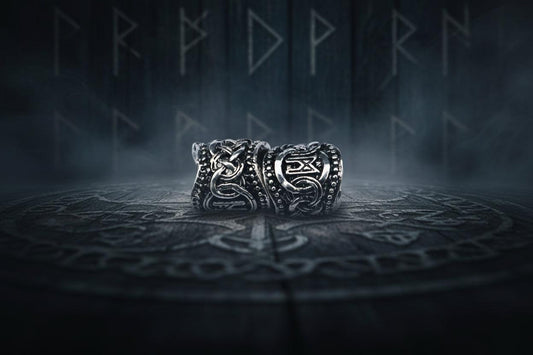
Nordic Heathenry and Heathenism
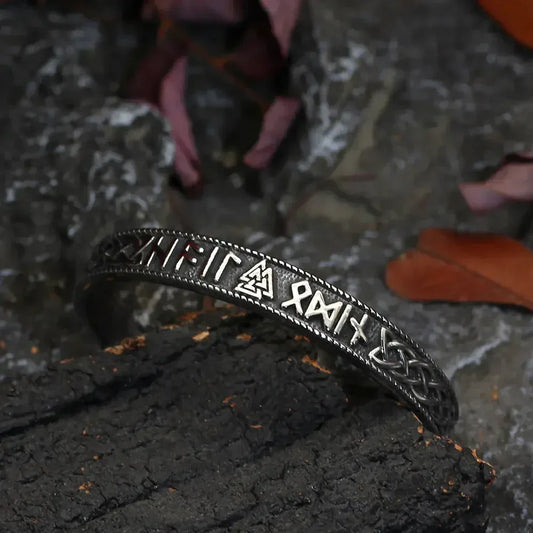
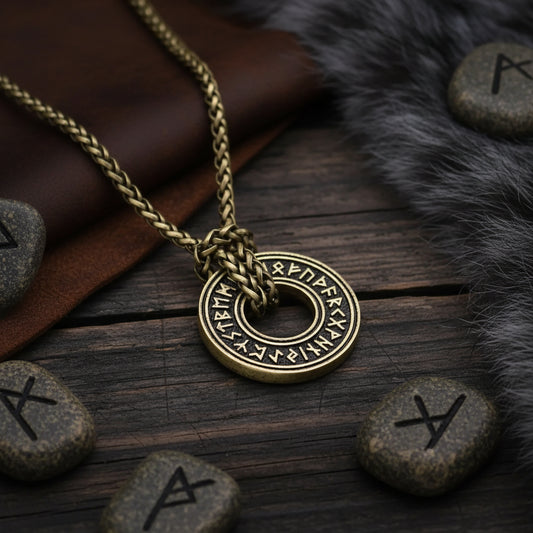
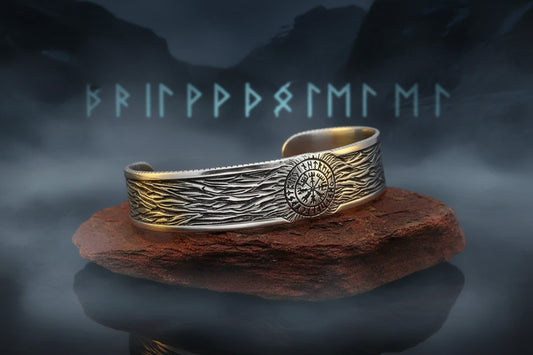
Heathenry focuses on the gods of Germanic and Nordic origin such as Odin and Thor and Frigg. Unlike the more fluid eclectic neopagan paths heathens tend to be much more formal and precise in their relationship with the lore. A defining practice in 2026 Nordic magic is Seiðr (pronounced sayther), a form of trance work and spirit communication that was traditionally performed by a Völva (seeress). This path prioritises the "sacred breath" and the threads of fate known as wyrd.
Celtic Path and Druidry
The Celtic path is heavily inspired by the indigenous folklore of the British Isles and Ireland. It centres on the Fae (Aos Sí) and the spirits of the land and the legends of the Tuatha Dé Danann. While the Nordic path often feels rugged and skeletal the Celtic path is lush and associated with poetry and music and "fairy doctors" who heal through relationship with the otherworld.
The Devotional Gateway: Hecatean Witchcraft
A significant trend for 2026 is the rise of devotional witchcraft specifically centred on Hecate—the Greek Goddess of Crossroads and boundaries. Unlike neopaganism which often views all goddesses as "aspects of the one" Hecatean practitioners approach her as a standalone multi faceted deity with a rich archaeology of epithets.
Hecatean witchcraft is particularly important in 2026 because it demonstrates a commitment to the Golden Shadow—the positive traits and powers we have disowned or hidden. Working with Hecate involves shadow work and navigating major life transitions and claiming the "keys" to your own inner cauldron.
The Denominational Comparison Table: Core Differences
| Denomination | Primary Focus | Divine View | Key 2026 Trend |
| Paganism | Nature worship and community. | Polytheistic or Pantheistic. | Land stewardship. |
| Witchcraft | Practical magic and intuition. | Varied (Gods or Secular). | Neurowellness regulation. |
| Heathenry | Nordic gods and wyrd (fate). | Polytheistic (Norse). | Somatic Seiðr trance. |
| Celtic | The Fae and ancestral land. | Polytheistic (Dé Danann). | Fairy doctor healing. |
| Satanism | Individualism and indulgence. | Atheistic or Agnostic. | Radical autonomy. |
| Hecatean | Thresholds and shadow work. | Monolatrous (Hecate). | Crossroads transformation. |
Free Resource: The Sovereign Alignment Spread
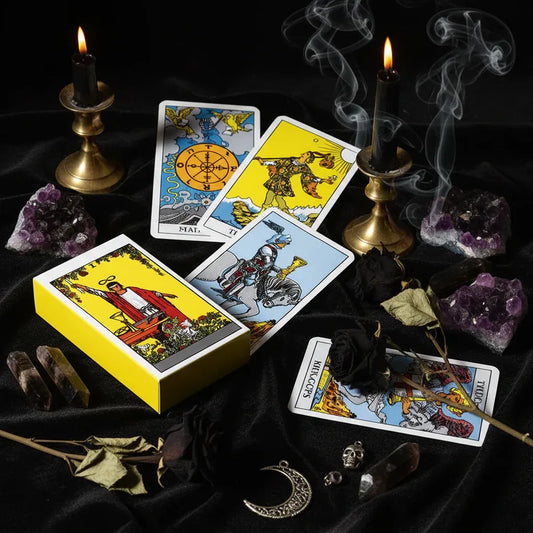
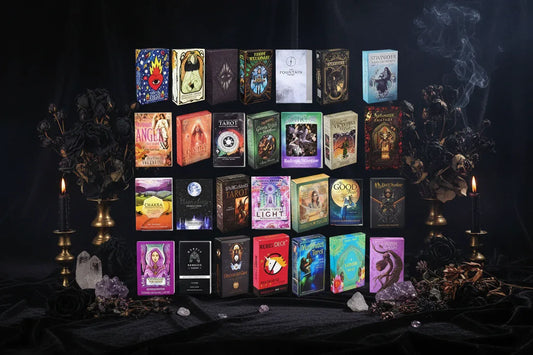
Use this three card spread with your favourite tarot cards to identify which spiritual frequency is currently calling your soul.
- The Roots: Which ancestral lineage or history is currently feeding my power?
- The Trunk: Which practice (Pagan or Witch or Mage) will best support my nervous system this season?
- The Crown: Which deity or archetypal energy (Hecate or Odin or The Fae) is holding the lantern for my expansion?
By understanding these denominations you move from a "whirlpool of possibility" into a state of grounded authority. Explore our premium collection to find the ritual oils and luxury jewellery that will support your journey into the Year 1 rebirth.