Integrated Strategic Framework For Tarot

Share
Integrated Strategic Framework for Tarot Education and Digital Authority
The establishment of a premier digital destination for tarot education in the current decade necessitates a synthesis of historical scholarship and psychological depth and advanced algorithmic optimisation. For sorceresssanctuary.com to emerge as a definitive authority for beginners the content must transcend basic card definitions offering instead an immersive exploration of the tarot’s structural mechanics and its ritualistic applications and its role as a mirror for the subconscious mind. This report delineates an exhaustive implementation strategy that aligns the esoteric traditions of the 15th century with the semantic search requirements of 2026 ensuring that the platform provides both spiritual value to the seeker and technical relevance to the modern web.
The Ontological Evolution of Tarot: From Games to Guidance
The journey of the tarot is one of profound transformation moving from a secular pastime to a cornerstone of modern divination. Historically tarot cards originated in the mid 1400s in regions encompassing Italy and France where they were utilised primarily for trick taking parlour games. It was not until the late 1800s that these tools were systematically adapted for divinatory purposes a shift largely credited to early occultists like Jean Baptiste Alliette known as Etteilla who established the first consistent interpretative concepts and published a dedicated deck in 1789. This transition represents a shift in human consciousness where the symbolic language of the cards was recognised as a means to connect with other worlds or prompt deeper personal reflection on the human condition.
| Historical Era | Primary Use of Tarot | Key Figure or Development |
| : | : | : |
| Mid 1400s | Social recreation and parlour games (Tarocchini/Marseille) | Northern Italian and French courts. |
| Late 1700s | Systematic divination and occult study | Jean Baptiste Alliette (Etteilla). |
| Early 1900s | Modern psychological and symbolic standard | Rider Waite Smith (A.E. Waite & Pamela Colman Smith). |
| 2020s to 2026 | Inclusive and digital first and psychological tool | Diverse indie decks and AI enhanced interpretation. |
In the modern context tarot readings mean different things to different individuals ranging from future prediction to spiritual connection and self actualisation. For the beginner at Sorceress Sanctuary the first pedagogical hurdle is understanding that the cards do not possess inherent supernatural power but serve as a structured framework for accessing intuition. This magical superpower allows the reader to process information so rapidly that it bypasses conscious logic creating a sense of knowing that the cards merely facilitate.
Structural Anatomy of the 78 Tarot Card System
The architecture of a standard tarot deck is divided into two primary sections: the Major Arcana and the Minor Arcana. This division reflects the duality of the human experience, the Big Secrets of the soul’s journey and the Little Secrets of daily existence.
The Major Arcana and the Fool's Journey
The Major Arcana consists of 22 cards numbered 0 to 21 representing significant life events and worldly karmic influences and overarching spiritual lessons. These cards often signify major turning points or forceful influences that are outside the individual's immediate control. The sequence begins with the Fool (0) symbolising the start of a new journey full of potential and spontaneity and concludes with the World (21) representing completion and achievement and fulfilment.
The interpretative depth of the Major Arcana is found in its archetypal resonance. For example the Magician (I) signifies the power to create reality through focused intention while the High Priestess (II) invites the exploration of the unseen and the subconscious mind. When these cards appear in a reading they demand that the seeker look beyond the mundane and address the broader spiritual themes at play.
The Minor Arcana Tarot: Elements and Suits and Daily Life
The 56 cards of the Minor Arcana deal with the practical matters and minor challenges and day to day aspects of life. These are divided into four suits, Cups and Pentacles and Swords and Wands, each containing 14 cards including an Ace through Ten and four Court Cards. The suits are intrinsically linked to the four classical elements which provide the energetic context for the cards' meanings.
| Suit | Element | Domain of Experience | Seasonal Association |
| : | : | : | : |
| Cups | Water | Emotions and relationships and intuition and the heart. | Spring. |
| Wands | Fire | Passion and creativity and ambition and spiritual movement. | Summer. |
| Swords | Air | Intellect and wisdom and communication and conflict. | Fall. |
| Pentacles | Earth | Material world and finances and career and physical health. | Winter. |
The numerical progression within each suit offers a specific developmental narrative. Aces symbolise new beginnings and pure energy while cards two through nine represent various stages of growth and conflict and decision making. The Ten represents the final culmination or completion of that suit’s journey. For example the Ten of Pentacles often signifies legacy and long term financial stability while the Ten of Swords might represent a final painful ending that allows for eventual rebirth.
The Court Cards: Personalities and Energy Archetypes
The 16 Court Tarot Cards, Page and Knight and Queen and King, represent different personalities or maturity levels or energetic influences. In a reading these cards can signify actual people in the seeker’s life and aspects of the seeker’s own personality or specific energies that need to be embraced or mastered. Pages often symbolise youthfulness or messages or a beginner's mind while Knights represent movement and pursuit. Queens embody internal mastery and nurturing of the suit's energy and Kings represent external control and leadership and power.
The Art of Deck Selection for the Modern Seeker
The first practical step for any beginner is the selection of a deck. While there are hundreds of unique designs each offering a different artistic perspective the choice of a deck significantly impacts the ease with which a student learns the system. Minimalism while aesthetically pleasing can be challenging for beginners because it provides fewer symbolic clues in the imagery.
Historical Standards and Contemporary Variants
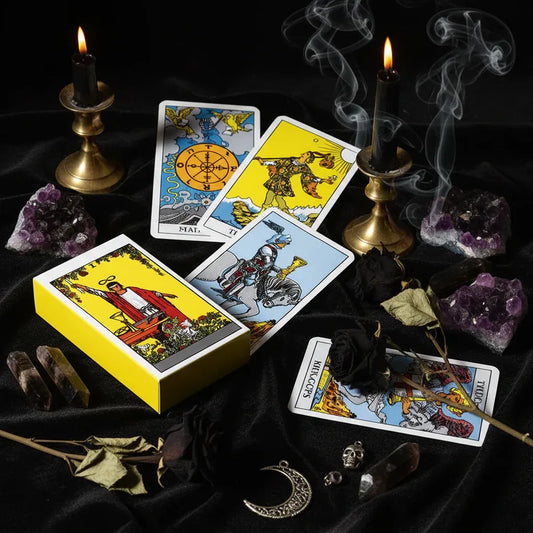
The Rider Waite Smith (RWS) Tarot deck remains the foundational standard for most Western tarot literature. Its primary advantage is that every card is illustrated with a scene a feature that was revolutionary in 1909 and continues to provide a rich visual tapestry for intuitive connection. For beginners who find the original RWS artwork dated many modern clones maintain the same symbolism with updated aesthetics.
| Tarot Deck Category | Notable Examples | Primary Appeal for Beginners |
| : | : | : |
| Traditional Standard | Rider Waite Smith and Radiant Rider Waite. | Vast library of research materials and clear symbolism. |
| Contemporary Aesthetic | Modern Witch Tarot and Light Seer's Tarot. | Relatable imagery and diverse representation and positive energy. |
| Inclusive & Identity Focused | The Queer Tarot and Everyman Tarot. | Centres marginalised experiences and diverse sexual orientations. |
| Artistic/Indie (2025 to 2026) | Hexen 5.0 and Allcento Tarot and Hedge Rider Tarot. | Unique perspectives and tech climate relevance and esoteric depth. |
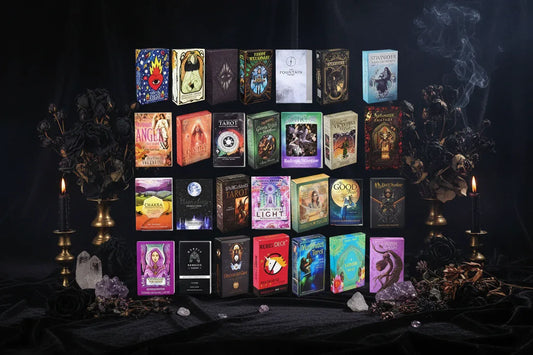
In the 2025 to 2026 market the Light Seer’s Tarot by Chris Anne has emerged as a dominant force due to its accessible boho sunshine optimistic imagery that resonates well with contemporary wellness aesthetics. Conversely the Modern Witch Tarot by Lisa Sterle is frequently recommended for its inclusive feminist approach that merges traditional symbolism with modern fashion and technology. For those drawn to more arcane or historical styles the Allcento Tarot (releasing in 2026) offers a synthesis of early Marseille and Minchiate traditions providing a deeper esoteric challenge for the committed student.
Ritualistic Cleansing and Energetic Hygiene
Instruction on tarot cards is incomplete without addressing the physical and energetic maintenance of the Tarot deck. While not strictly required for accuracy cleansing rituals function as a psychological and energetic reset ensuring that the signals between the reader and the cards are free from previous static or lingering energies.
Elemental and Physical Cleansing Methods
Cleansing should be approached as a form of energetic hygiene that keeps the Tarot cards fresh. Various tools can be used often corresponding to the four elements to purify the deck of negative or toxic energies.
-
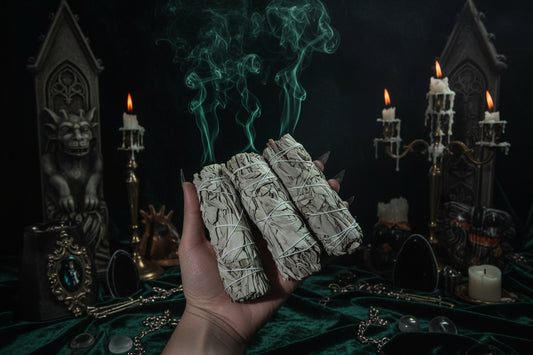
Smoke Cleansing (Air/Fire): Passing the deck through the smoke of sage or palo santo or incense is an ancient practice to clear the air and dispel stale energy. Herbs like lavender and rosemary can also be used to infuse the deck with specific qualities like calm or clarity.
-
Crystalline Charging (Earth): Placing the deck on or near specific crystals is a favourite method for many practitioners. Selenite and clear quartz are renowned for their ability to cleanse and recharge accumulated energies while smoky quartz acts as a spiritual vacuum absorbing negativity.
-
Lunar Baths (Water/Celestial): Placing the cards on a windowsill during a full moon allows the direct contact with lunar energy to clear lingering negativity. This method is particularly effective for aligning the deck with intuitive and subconscious frequencies.
-
Sound and Vibration (Air): Ringing a bell or using wind chimes over the deck uses sound waves to disperse clogged energies. Physical methods like knocking on the deck three times with the knuckles are also common for a quick reset between readings.
The practice of reordering the cards, placing them back in numerical and suit order, is another highly effective reset. This meditative act allows the reader to re familiarise themselves with every image effectively airing out the cards and renewing the reader's connection to the deck’s structure.
The Mechanics of the Query: Transitioning from Prediction to Empowerment Tarot
A significant hurdle for beginners is the linguistic structure of their questions. Traditional tarot was often used for fortune telling which implies a fixed future. However modern ethical practice at Sorceress Sanctuary should emphasise that the future is fluid and influenced by free will. The cards reflect the present energy and potential outcomes based on current choices rather than an unchangeable fate.
Designing Effective Questions
Effective questions are those that are open ended and thoughtful and focus on the seeker's agency. Avoid yes/no questions as the tarot provides complex multi layered answers that a binary response cannot capture.
| Weak Question Type | Empowered Question Structure | Core Purpose | | : | : | : | |
Predictive: Will I get the job? | What can I do to improve my chances of securing the job? | Shifting focus to aligned action and personal agency. | |
Passive: When will I find love? | How can I attract a healthy and fulfilling partnership? | Identifying self improvement and emotional readiness. | |
External: Does he love me? | How can I nurture and strengthen my relationship? | Understanding relationships through the lens of growth and lessons. | |
Past Focused: Why did they betray me? | What lesson am I currently learning from this past interaction? | Utilising past trauma as a catalyst for future evolution. |
By asking What do I need to know about X? or How can I better align with my soul purpose? the seeker invites the Tarot cards to reveal blind spots and subconscious patterns that might be blocking their progress. This reflective approach reduces the tendency to project wanted interpretations onto the cards and encourages genuine internal work.
Spread Architecture: From Daily Draws to Complex Layouts
Spreads are the geometric patterns in which cards are laid out with each position representing a specific aspect of the query. For beginners the primary goal is to avoid the confusion of over complicated spreads.
Foundational Spreads for the Beginner
The Tarot One Card Draw is the most effective daily development exercise as it allows the student to study a single archetype in the context of their daily life. Beyond the single card several simple layouts provide a balanced overview of any situation:
-
Past - Present - Future: A classic three card spread that helps the seeker understand how past influences are shaping the current moment and where current energies are likely to lead.
-
Mind - Body - Spirit: A holistic check in that reveals how thoughts (Mind) and physical/emotional health (Body) and divine connection (Spirit) are interacting.
-
Situation - Action - Advice: This spread is particularly useful for practical problem solving identifying the core issue and the best next step and the potential outcome.
-
Option A vs. Option B: Using two cards to compare the energetic potential of different paths. For example pulling a King of Swords for one choice suggests a logical approach while a King of Wands for the other suggests a path of passion and creativity.
For more detailed insights the Five Card Spread adds layers for hidden influences and obstacles while the Celtic Cross remains a standard for advanced analysis although it is often simplified for those just beginning their journey. The Year Ahead Spread (12 cards) is another significant tool for reflection with each card representing a month or a specific theme for the year such as Creativity or Release or Support.
Pedagogy and Intuitive Development: Moving Beyond the Tarot Guidebook
The ultimate objective of tarot study is to develop a sense of knowing that transcends the need for external references. While guidebooks are essential initially they can become a crutch that stifles intuitive growth.
Creative Exercises for Accelerated Learning
Learning Tarot 78 cards can be daunting but it does not require rote memorisation. Instead students should be encouraged to immerse themselves in the cards' imagery.
- The Storyboard Method: Pull three cards and weave them into a narrative focusing on the characters’ actions and the environments depicted. This develops the ability to read cards in combination which is essential for fluid interpretation.
- Flash Card Practice: Flip cards quickly and say the first word that comes to mind. This bypasses the analytical mind and forces the reader to rely on instinctual associations.
- Tarot Journaling: Writing down every reading is universally cited as the most effective learning tool. By recording the Daily Draw and reflecting on how its energy manifested by the end of the day the student builds a personal database of meanings that no book can provide.
- Visual Analysis: Before looking up a definition the student should scan the card for colours and symbols and human figures. Noting the presence of lotus flowers (emotion) and mountains (challenges) or clear skies (clarity) helps link the imagery to the suit’s core element.
Intuition is most accessible when the mind is calm making grounding and centering practices, such as deep breathing or meditation, essential prerequisites for a successful reading.
Ethical Considerations and Myth Busting
Establishing authority at Sorceress Sanctuary requires the dismantling of pervasive myths that often intimidate or mislead beginners. These misconceptions frequently stem from popular culture or a lack of understanding regarding the cards' historical origins.
Debunking Pervasive Misconceptions
One of the most damaging myths is that tarot is evil or dangerous. In reality tarot is a tool for self reflection and personal growth not for invoking dark forces. Similarly the belief that a reader must be psychic is incorrect; tarot reading is a skill that combines knowledge of symbolism with developed intuition accessible to anyone willing to practice.
| Common Myth | Objective Truth | Practical Implication |
| : | : | : |
| The Gifted Deck: Your first deck must be a gift. | Buying your own deck is a personal choice and a significant step. | Seekers should feel empowered to choose a deck that resonates. |
| The Death Omen: The Death card predicts demise. | Death symbolises endings and transformation and change. | It is a card of hope and rebirth clearing what no longer serves. |
| Fixed Future: Tarot readings are set in stone. | Readings reflect current trajectories which can be changed. | Readers should use cards for guidance and course correction. |
| Supernatural Power: The Tarot cards hold power or spirits. | The cards are tools that reflect the reader’s subconscious. | Accuracy depends on the reader’s relationship with the cards. |
Furthermore the idea that one cannot read for themselves due to bias is a misconception. While challenging self readings can be incredibly revealing if approached with honesty. The key is to avoid asking frivolous questions and instead focus on questions that serve as catalysts for internal work.
The Sensory Revolution: Neurowellness and Unmasked Magic in 2026
As we cross the threshold into the opening months of 2026 the collective frequency at Sorceress Sanctuary has undergone a radical metamorphosis. In the lexicon of numerology 2026 is a Universal Year 1 which signifies a symbolic rebirth and the beginning of a fresh nine year cycle. This is the year of the phoenix where the reflective Hermit energy of 2025 is traded for bold expansion and public visibility and the reclamation of sovereign power. This section explores the cutting edge trends of 2026 from the rise of neurowellness to the somatic integration of the Golden Shadow and the unmasking of neurodivergent magic.
The Over Optimisation Backlash: Meaning Over Measurement
The most significant cultural shift in 2026 is the Over Optimisation Backlash. For years the wellness and spiritual industries have been obsessed with clinical data and tracking every breath and quantifying every ritual. In 2026 witches are leading the rebellion against this performative high tech spirituality. The new vanguard of the craft prioritises meaning over measurement and sensation over scores. Offerings are pivoting toward catharsis and self expression rather than self surveillance. This movement celebrates the imperfect and emotional and sensory nature of being human.
Witchcraft as Neurowellness: Regulating the Nervous System
Modern life from nonstop digital overload to rising global unrest has kept our nervous systems in a chronic state of fight or flight. The 2026 witch uses the craft as a technology of regulation. Regulating the nervous system is the next frontier in wellness going far beyond stress reduction to focus on recovery and resilience before breakdown occurs. Hard care neurowellness involves integrating somatic practices with traditional spellwork using things like ritual oils to anoint the vagus nerve or using sound frequency to disperse stagnant energy.
Unmasking the Tarot Craft: Neurospicy Magic and Sensory Sovereignty
Witchcraft has always been weird and neurodivergent. In 2026 identifying as a neurodivergent practitioner is an act of sensory sovereignty. For those with ADHD and autism or other neurospicy traits the craft is a way to honour minds that exist freely and chaotically in collected rage and unconditional love. Reframing neurology as a magical vocation allows sensory sensitivity to become heightened perception and hyperfocus to become ready made trance capacity. Solitary practice design and sensory friendly sacred spaces are essential for this emerging tradition.
Olfactory Alchemy: Fragrance Layering as a Sacred Language
If fragrance has long been about status and corporate sameness the Fragrance Layering trend predicts that the ancient art of combining scents will get a modern reimagining. Scent is being used as a creative and cultural and deeply personal language to shape moods and interact with others. Olfactory ceremonies engage sight and sound and touch and memory to trigger specific states of consciousness. This is the commodification of presence where luxury isn't about cost but about depth of feeling.
The Festivalisation of Wellness and Collective Catharsis
The broom closet has become too restrictive for the 2026 vanguard. We are witnessing the Festivalisation of Wellness where magic becomes a collective and cathartic and sensory experience. Wild collective emotional releases in the form of wellness raves and gatherings use music and dance and creative expression to forge deeper relationships with nature and self and spirit. Whether through bilingual ancestral decks or ethically sourced ritual tools the 2026 witch is stepping fully into their role as a leader and a builder of the new world.
The Sovereign Mirror
An Archaeology of Catoptromancy and the Art of Somatic Shadow Work
As we navigate the bold expansion of the Universal Year 1 the collective frequency at Sorceress Sanctuary has moved beyond simple light work into the deep waters of the soul. In 2026 to be a witch is to be a master of reflection and an architect of the nervous system. We are currently witnessing a radical move away from the over optimisation of the spiritual life and into the raw and sensory joy of the present moment.
This guide explores the ancient archaeology of mirror scrying known as catoptromancy and how the 2026 witch uses the mirror not for vanity but as a portal for somatic shadow work and radical self sovereignty.
The Ritual Technology of the Ancestors: A Deep History
Mirrors have never been mere tools for grooming. To the ancients a reflective surface was a ritual technology utilised to mediate encounters with divine beings and ancestral spirits and distant places. The practice of catoptromancy derives from the Greek words katoptron (mirror) and manteia (divination) a linguistic pairing that suggests a vision directed outward rather than inward.
-
Ancient Egypt: Priests used polished copper and bronze as portals to the afterlife believing a mirror could help the recently deceased unite with their mortal soul by looking at their reflection in the afterlife. The mirror was also a form of the ankh symbol of life and sacred to Hathor Goddess of Love and the solar Eye of Ra.
-
Mesoamerica: In the Neolithic and early colonial periods obsidian mirrors known as tezcatl were indispensable to priests and sorcerers engaging with the celestial and underworld spheres to gain truths hidden from ordinary perception. These were often associated with deities of darkness and transformation.
-
Ancient Greece and Rome: The geographer Pausanias recorded a ritual at Patras where a sick person let down a mirror into a well to reveal the outcome of their health through a visionary image. In Ancient Rome priests known as specularii used polished metal mirrors to seek guidance from the gods.
-
Japan: The yata no kagami (Amaterasu's mirror) is one of the three imperial regalia representing the spirit of the Sun goddess and her divine impartial will.
-
Early Modern Europe: Mentions of divinatory mirrors appear in Irish canons as early as the 6th to 11th centuries often warning against their use to recognise witches. Later the Elizabethan magus John Dee worked with a polished obsidian disk likely of Mesoamerican origin to consult spiritual messengers.
In 2026 we reclaim these reflective gates to understand our own internal landscape. We recognise that the mirror does not just show us who we are but acts as a sacred space where we can meet the parts of ourselves we have hidden in the dark.
The 2026 Shadow: Integration Over Elimination
Shadow work is the practice of noticing and naming and befriending the less familiar corners of our being. Carl Jung viewed the shadow as the unconscious part of the personality that the conscious ego refuses to acknowledge. In 2026 we understand that these repressed traits often appear as triggers or projections onto others.
To be a sovereign practitioner today is to engage in individuation, the process of bringing together both the conscious and unconscious aspects of the psyche to achieve wholeness. This is the heart of 2026 neurowellness magic where the ultimate spell is building resilience before a breakdown occurs. By using a shadow work journal to track patterns you move from information overload into a state of embodied knowledge.
Somatic Mirror Magic: Reparenting the Face
One of the most transformative trends of 2026 is Somatic Facial Deprogramming. Our history of fawning and fear and shame is literally stored in the muscles of the face especially when we did not receive the validation we needed as children. We use mirror magic to retrain the nervous system and tell those wounded parts that we are safe now.
This is not just about looking in the mirror; it is about entering a light trance state known as the cranial chill point. By using a soft focus and ritual oils to anoint the temples you can begin to release the physical tension of old survival patterns. We recommend using the physiological sigh (two quick inhales followed by a long exhale) to downregulate your system before beginning any mirror work.
The Mirror of Mercy Ritual: A 2026 Tarot Guide to Integration
This ritual is designed to be performed during a dark or waning moon when the energy is naturally aligned with reflection and release.
Materials Required:
- A scrying mirror or a dedicated mirror in your sanctuary.
- One black or white ritual candle for illumination.
- A piece of obsidian to ground and absorb negativity.
The Working:
- Cleanse: Waft the smoke of Eucalyptus or rosemary around your mirror to clear any lingering static.
- Ground: Use the 4 4 4 4 breathing method (inhale for 4 and hold for 4 and exhale for 4 and pause for 4) until you feel present in your body.
- Ignite: Light your candle and place it out of your direct line of sight but where the flame is visible in the reflection.
- Gaze: Look into your eyes with a soft focus. Say aloud "I see all parts of me and I welcome myself home".
- Listen: Notice any resistance or judgements that arise. Do not push them away; observe them with curiosity. What is your shadow trying to protect?
- Seal: Hold your obsidian and visualise the tension of the day dissolving into the stone. Extinguish the flame and record your insights in your grimoire.
The Alchemist’s Mirror Correspondence Table
Print this table to keep in your Book of Shadows for your next reflective working.
| Intent | Stone Ally | Botanical Essence | Planetary Day |
| : | : | : | : |
| Truth & Clarity | Clear Quartz | Eucalyptus | Wednesday (Ophiel) |
| Shadow Integration | Obsidian | Mugwort | Saturday (Aratron) |
| Self Compassion |(https://sorceresssanctuary.com/rose-quartz) | Lavender | Friday (Hagith) |
| Ancestral Vision | Amethyst Crystal | Rosemary | Monday (Phul) |
| Sovereign Strength | Hematite |(https://sorceresssanctuary.com/banksia) | Tuesday (Phaleg) |
| Wealth & Expansion |(https://sorceresssanctuary.com/citrine-stones) |(https://sorceresssanctuary.com/wattle) | Thursday (Bethor) |
Frequently Asked Questions for Seekers
Is it dangerous to look in a mirror for too long?
In a dimly lit room staring too long can cause visual distortion or minor hallucinations as your eyes relax. This is a natural neurological response and not a sign of a malevolent force. If you feel overwhelmed simply take a break and ground yourself with a snack or a nature walk.
Can I use any mirror for scrying?
Yes. While a black obsidian mirror is traditional for deep shadow work any clean reflective surface will work if your intention is clear.
How often should I do shadow work?
Shadow work is a lifelong journey. In 2026 we recommend moving at the pace your nervous system can handle. Consistency and safety matter more than intensity.
Explore our premium ritual collection to find the tools and luxury crystals that will support your journey into the Year 1 expansion.