The Origins Of Halloween | Pagan Roots, Witchcraft & Modern Ritual

Share
The Origins of Halloween: Pagan Roots, Witchcraft & Modern Ritual
From Samhain’s seasonal rites to contemporary witchcraft, Halloween remains a night of thresholds, remembrance and transformative ritual. This long-form guide explores history, herbs, ritual practice and how modern communities reclaim and renew the night.
Introduction
A Night of Thresholds
Halloween is multilayered: cheap thrills and commercial spectacle sit alongside ancient rites and deeply held spiritual practices. For many witches and pagans, the night is a liminal moment when the veil between worlds thins, and when remembering ancestors, tending the dead and performing transformational magic are not merely symbolic, but effective, practical work.
Samhain: The Original Festival
Samhain, pronounced sow-in, was a central festival in the ancient Celtic calendar. It marked the harvest’s close, the contraction of light, and practical preparations for winter. Herds were brought in, food stores secured, and communities took stock of what the year had given and what would be needed for survival.
Spiritually, Samhain acknowledged a porous boundary between the living and the dead. Ancestors were honoured with offerings. Divination was practised to understand what the darker months might bring. Fires and torches, sometimes ritualised bonfires, played both practical and symbolic roles, lighting the community and guiding the spirits.
The Veil and Liminality
The idea of a thinned veil is central to contemporary Halloween work. Liminal times, dawn, dusk, equinoxes and solstices, are moments when ordinary causality loosens. Samhain provides an annual liminal window. Practitioners use this for ancestor work, shadow work and divination, trusting that messages and shifts travel more freely across the threshold.
Practical note: liminal rituals require clear boundaries. Ground thoroughly before and after, and keep aftercare simple, water, food, and a short centring practice help return participants to everyday reality.
Christian Overlays: All Hallows’ Eve
As Christianity spread across Europe, many Pagan customs were absorbed, adapted or reframed. The Church established All Saints’ Day (All Hallows) on 1 November, and All Souls’ Day shortly after. November’s vigil, All Hallows’ Eve, retained older elements, but they were often relabelled as commemorations of Christian souls rather than explicit ancestor feastings.
This blending produced the hybrid festival we recognise today: candles for the dead, carved lanterns, disguised processions to confuse spirits and seasonal foods. These customs persisted in folk practice, and in many places they were the primary cultural memory that later revivals would draw upon.
Persecution, Witch Trials and the Loss of Practical Knowledge
The early modern period saw horrific suppression, where many who practiced folk magic were accused of maleficium and labelled witches. Midwives, herbalists and cunning folk, the very people who maintained much of the seasonal lore, were targeted. The loss was not merely human, it was cultural: practical botanical knowledge, ritual craft and local liturgies were driven underground or extinguished.
It is important to acknowledge this history when reclaiming the night. Many modern witches frame Halloween as an act of remembrance, not only for ancestors, but for those persecuted for keeping the old ways.
Herbal Traditions Through the Ages
Herbs and plants have been central to Halloween and witchcraft practice. Their uses shifted across eras according to need and available knowledge. Below is a concise table showing common plant uses across historical periods.
| Period | Common Herbs & Use |
|---|---|
| Ancient & Celtic | Mugwort (divination), Rowan (protection), Hawthorn (boundary rites) |
| Medieval | Sage (cleansing), Vervain (sacred offerings), Wormwood (vision work) |
| Early Modern | Belladonna & Henbane (restricted, cited in trial rhetoric), Rosemary (remembrance) |
| Victorian & Occult Revival | Rose, Lavender, Rue for sympathetic & devotional uses |
| Modern Practice | Rosemary, Mugwort, Sage, Bay, and locally native plants for ethical, land-based practice |
Symbolism and Iconography
Many Halloween symbols have deep, layered meanings. Understanding them recovers the depth beneath the décor:
- Pumpkin / Turnip Lanterns: Originally containers for offerings or protective light; later adapted into the pumpkin tradition in the Americas.
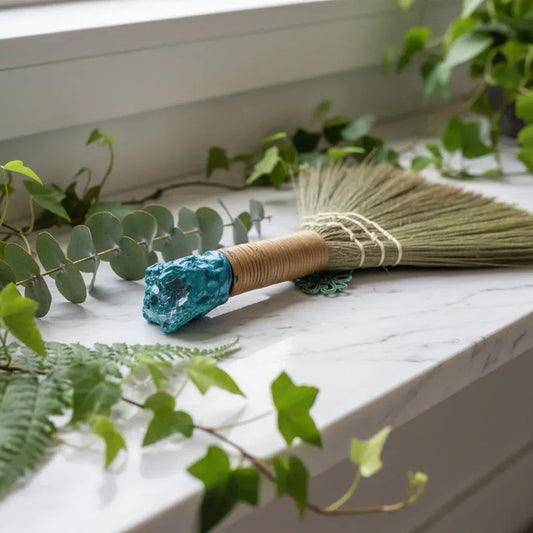
- The Besom (witch’s broom): A tool for domestic cleansing and symbolic liminality, often employed to ritually sweep thresholds.
- Cauldron: A vessel of transformation and metaphorical rebirth, central to many rite structures.
- Black Cat: A familiar archetype, representing guardianship of liminal thresholds and intuitive acuity.
Ritual Templates for Halloween Night
Below are three ritual templates of increasing depth, suitable for solitary practice, small circles or community gatherings. Each includes safety and ethical notes.
1. Solitary Ancestor Altar (15–20 minutes)
- Cleanse your space and set a small altar with a photo or object representing an ancestor.
- Light a candle, place a small offering (bread, fruit, water), and state your gratitude aloud.
- Spend five minutes in quiet listening, then close by snuffing the candle and grounding with three deep breaths.
Safety: avoid using flammable offerings indoors and never leave candles unattended.
2. Small Circle: Remembering & Release (45–60 minutes)
- Begin with a land acknowledgement and consent reading for any energy work.
- Each participant writes one thing they wish to release and one thing they wish to remember, folds both and places them on the altar.
- Perform a short guided visualisation to release the unwanted material, then speak aloud the remembered blessing.
- Dispose of release papers by safe burning or burying, and tuck remembrance items into a communal memory box.
Ethics: include an aftercare check-in as people may experience unexpected emotions.
3. Community Rite: Harvest & Remembrance (90+ minutes)
- Obtain local permissions for outdoor gatherings and plan for accessibility and cultural safety.
- Open with an acknowledgement of Country and invite local custodians or elders where appropriate.
- Arrange an altar for community offerings, set a ceremonial fire if permitted, and invite participants to add an offering in silence.
- Hold a circle of shared stories, with allocated time for remembrance, ritual music and a collective blessing.
- Close with hospitality, sharing food and providing clear signposting to community support resources.
Logistics: designate a safety officer for fire and first aid, and ensure consent forms or verbal agreements are collected for any intense psychic work.
Modern Witchcraft, Reclamation and Community
The modern resurgence of witchcraft is a reclamation project, reclaiming knowledge, ritual and authority over spiritual practice. For contemporary practitioners Halloween functions as both an inward, initiatory night and an outward, communal festival. Community rituals, research circles and open sharings help move practice from anecdote to accountable tradition.
Online platforms accelerate knowledge exchange, though they also demand discernment. Practical research projects, like group experiment logs that test a ritual across lunar cycles, produce reproducible data and strengthen communal trust.
Responsible Practice & Ethics
Reclaiming ritual carries responsibility. A few core ethical points:
- Respect indigenous and living traditions. Do not appropriate ceremonial items or rituals without permission.
- Source herbs and ritual materials ethically. Prefer sustainably harvested or cultivated plants, and avoid endangered species.
- Use informed consent for any ritual involving others, particularly energy work or psychologically intense material.
- Offer trigger warnings for content involving death, loss or trauma, and provide clear aftercare resources.
Aftercare & Integration
Ritual work often surfaces material that needs grounding. Simple aftercare practices that restore equilibrium include:
- Eating a grounding meal and hydrating
- Physical grounding like walking barefoot, stretching, or gentle yoga
- Journalling immediate impressions and practical steps forward
- Checking in with a trusted friend or group member
Conclusion
Halloween as Sacred Practice
Halloween endures because it performs essential cultural and spiritual work: it marks endings and beginnings, it creates space for grief and gratitude, and it provides a liminal field where transformation is possible. For witches and pagans the night is not merely a nostalgic reenactment, but a living ritual opportunity, a time to remember, to release, and to renew.
If you would like a print-ready version of these rituals, printable altar cards, and a community experiment log, download the free workbook at the button above.